
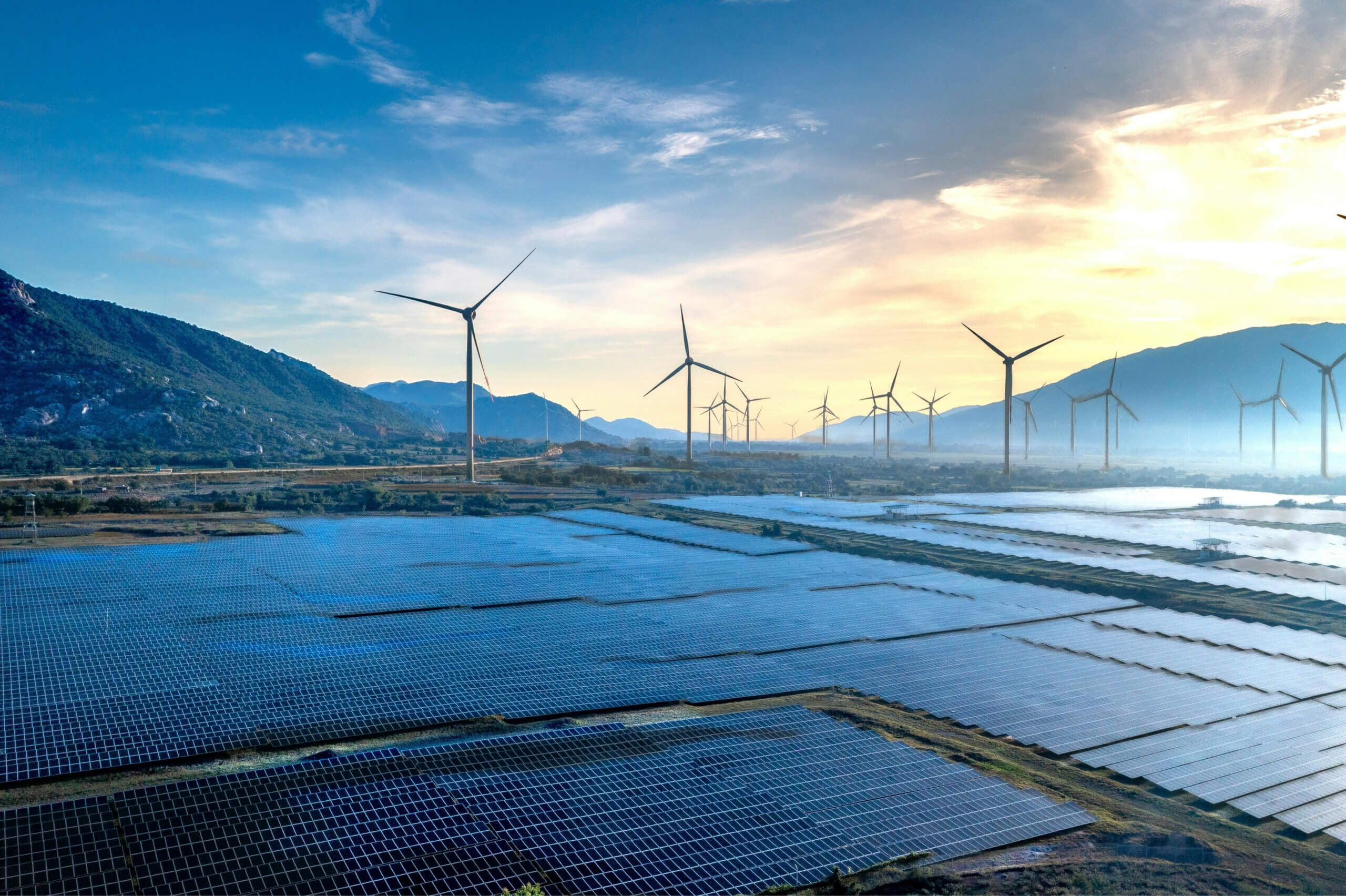
Off-grid living has evolved from a fringe lifestyle into a growing segment of the real estate market, especially in Arizona, where expansive land and abundant sunlight make self-sufficient living more feasible.
For investors, however, the key question remains: is off-grid living a scalable opportunity, or simply a niche trend with limited upside?
Understanding the economics, demand drivers, and development challenges behind off-grid properties is essential before making that decision.
What Does “Off-Grid Living” Really Mean?
Off-grid living refers to properties that operate independently from public utilities.
Typically, this includes:
- Solar power instead of grid electricity
- Private wells or water hauling
- Septic systems instead of municipal sewer
- Limited reliance on public infrastructure
Arizona is particularly well-suited for off-grid development due to its climate and land availability. According to the U.S. Energy Information Administration, Arizona ranks among the top states for solar energy potential, making it a strong candidate for energy-independent housing.
Why Off-Grid Living Is Gaining Attention
Several macro trends are driving increased interest in off-grid properties:
Rising Utility Costs
As utility rates increase, some buyers are seeking alternatives that offer more predictable long-term costs.
Remote Work Flexibility
The ability to work remotely has reduced the need to live near urban job centers.
Demand for Privacy and Space
Buyers are increasingly prioritizing land, views, and separation from dense neighborhoods.
Sustainability Preferences
A segment of the market is motivated by reducing reliance on traditional infrastructure.
These trends have contributed to growing demand across parts of western Arizona, particularly in recreational and second-home markets.
The Investment Case for Off-Grid Land
From an investment standpoint, off-grid properties offer a distinct set of advantages.
Lower Acquisition Costs
Land without utilities is typically priced lower, creating a more accessible entry point.
Flexible Development Paths
Investors can:
- Hold land for appreciation
- Build small-scale residential products
- Create short-term rental experiences
Targeted Buyer Appeal
Off-grid properties attract buyers who prioritize independence, lifestyle, and land over convenience.
That said, niche demand requires precise positioning and clear expectations around resale.
The Hidden Challenges of Off-Grid Development
While the upside can be compelling, off-grid development introduces complexities that are often underestimated.
1. Infrastructure Responsibility
Without access to municipal systems, all core infrastructure must be built and maintained privately.
This includes:
- Solar generation and battery storage
- Water sourcing and storage systems
- Waste management solutions
These are not only upfront costs but ongoing responsibilities. Teams that take a comprehensive approach to land evaluation, like the process outlined on APX West’s What We Do page, are better equipped to assess these requirements early.
2. Financing Constraints
Financing off-grid properties can be more difficult compared to traditional homes.
Many lenders prefer properties connected to public utilities, which can:
- Reduce the buyer pool
- Extend time on market
- Affect pricing at resale
Investors should account for this when evaluating exit strategies.
3. Water Access and Regulation
Water remains one of the most critical factors in Arizona land development.
Even off-grid properties must comply with state regulations governing groundwater and well usage.
The Arizona Department of Water Resources provides detailed guidance:
https://www.azwater.gov/
Without a reliable and legally compliant water source, land may not be viable for development.
4. Resale Limitations
Although interest in off-grid living is increasing, it still represents a smaller portion of the overall housing market.
This can lead to:
- Longer selling timelines
- More specialized marketing requirements
- Greater sensitivity to market cycles
Understanding buyer expectations is key to mitigating these risks.
Off-Grid vs. Traditional Development
Comparing off-grid to traditional development highlights the trade-offs investors must consider.
Traditional Development:
- Higher initial land costs
- Easier financing
- Broader market appeal
- Access to established infrastructure
Off-Grid Development:
- Lower acquisition cost
- Higher infrastructure responsibility
- More specialized demand
- Greater independence from public systems
Projects like Ladera reflect a more traditional development approach, where infrastructure and planning support long-term usability. While effective in that context, this type of model does not translate directly to off-grid strategies, which require a fundamentally different approach to infrastructure and buyer expectations.
Where Off-Grid Investing Makes the Most Sense
Off-grid development tends to perform best in specific use cases rather than as a broad, scalable model.
Recreational and Lifestyle Markets
Areas near lakes, trails, and open desert tend to attract second-home buyers.
Large Parcels
Bigger lots allow for more flexibility in infrastructure placement and system design.
Short-Term Rentals
Unique, remote properties can command premium pricing when marketed effectively.
Hybrid Approaches
Some investors combine partial infrastructure with off-grid features, offering a balance between independence and accessibility.
How to Approach Off-Grid Investments Strategically
A disciplined approach is critical when evaluating off-grid opportunities.
Focus on Due Diligence
Assess zoning, water availability, terrain, and solar feasibility before acquiring land.
Model True Development Costs
Include all infrastructure systems, not just land price, in your analysis.
Define the End Buyer Early
Understand whether you are targeting recreational buyers, full-time residents, or investors.
Align Strategy with Market Reality
Off-grid success depends on matching the product to the right location and demand segment.
A More Nuanced Opportunity Than It First Appears
Off-grid living in Arizona sits in an interesting position, it is growing in visibility and demand, but it remains highly situational from an investment standpoint.
It can work well in the right context: the right location, the right buyer profile, and the right infrastructure strategy. But it is not a universal solution, nor is it easily scalable in the same way as traditional residential or mixed-use development.
For investors, the opportunity is less about following a trend and more about understanding where that trend actually fits. Those who approach off-grid development with clear assumptions, disciplined planning, and a strong grasp of local constraints will be in a much better position to determine whether it aligns with their broader investment strategy.