
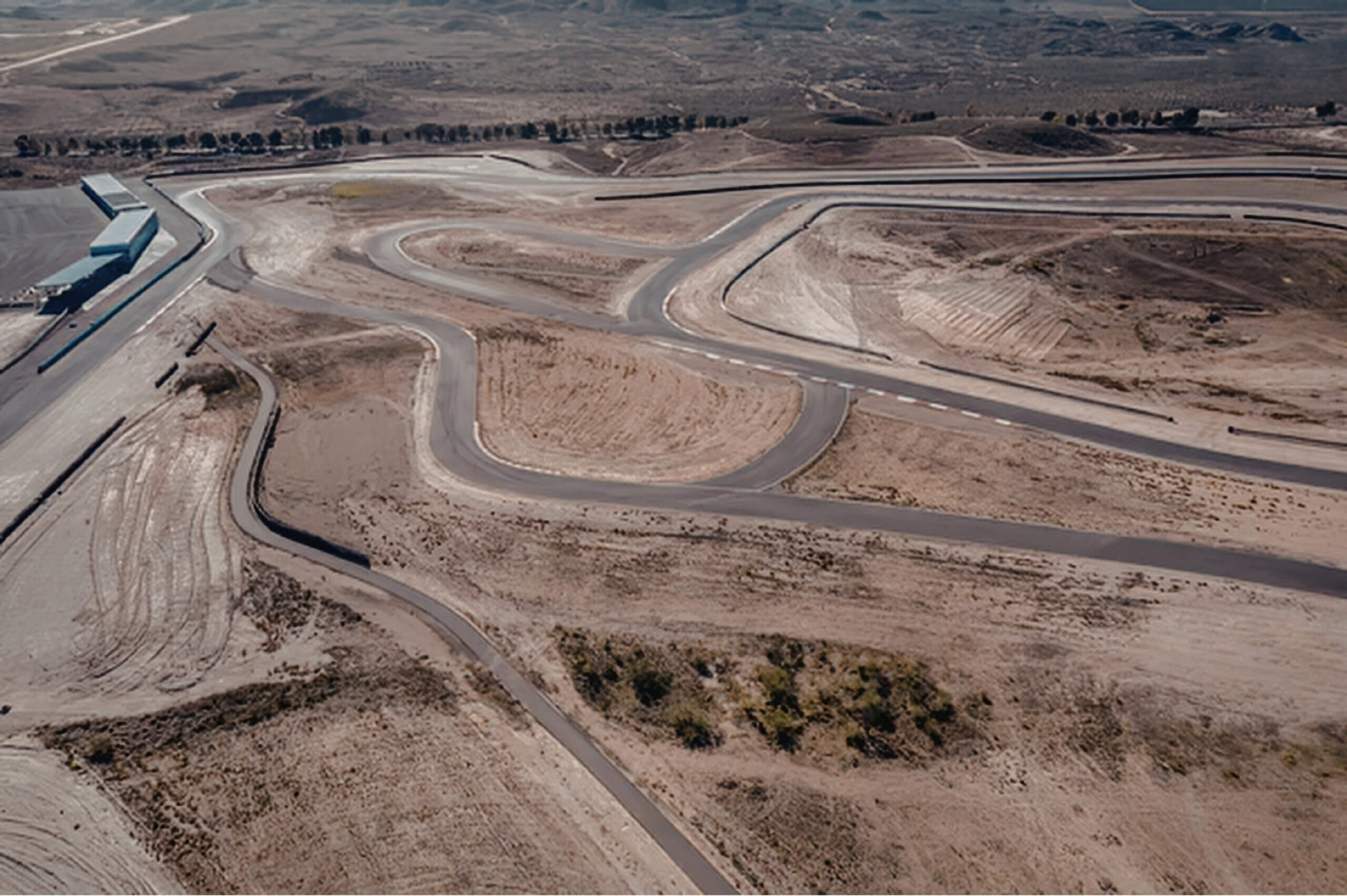
When evaluating land as an investment, most buyers focus on location, acreage, and price. While those factors are important, one of the most significant drivers of land value is infrastructure.
Road access, utilities, drainage, and overall site readiness determine not only what the land is worth today, but what it can become in the future. In many cases, infrastructure is the single biggest factor separating underperforming land from high-return development opportunities.
Understanding how infrastructure influences value is essential for making informed investment decisions.
What Counts as Infrastructure in Land Development?
Infrastructure refers to the systems that make land functional, accessible, and buildable.
Core components include:
- Road access and transportation
- Water supply and distribution
- Electrical and energy systems
- Sewer or septic solutions
- Drainage and stormwater control
Without these elements, land may have theoretical value, but limited practical use.A comprehensive approach to infrastructure evaluation, like the integrated services outlined in APX West’s Planning and Engineering capabilities, helps determine whether a property can realistically support development.
Why Infrastructure Drives Land Value
Infrastructure directly impacts how land performs as an asset.
Usability
Land without access or utilities cannot be easily developed. Infrastructure transforms raw land into something functional.
Marketability
Buyers, whether builders, businesses, or individuals, prioritize properties that are ready for use or require minimal additional work.
Financing
Lenders are far more likely to finance land that has established infrastructure, increasing liquidity and resale potential.
Development Potential
Infrastructure determines what can be built, how densely it can be built, and how quickly a project can move forward.
This is why infrastructure is often evaluated early in the investment process, alongside financial feasibility, an approach aligned with APX West’s Investment strategy.
Road Access: The Foundation of Value
Access is the first and most fundamental requirement.
Key considerations:
- Legal access (public roads or recorded easements)
- Physical access (graded or paved roads)
- Connectivity to major routes and surrounding areas
Without legal access, land may not qualify for development permits or financing. Without physical access, construction costs increase significantly.
Projects like Lake Havasu Avenue Business Park highlight how strong access and visibility contribute directly to commercial viability and long-term value.
Utilities: Cost Driver and Value Creator
Utilities are often the most expensive part of infrastructure, but also one of the most impactful.
Water
Access to water is essential for nearly all development. Availability, rights, and delivery methods all influence feasibility.
Arizona’s water regulations are managed by the Arizona Department of Water Resources:
https://www.azwater.gov/
Electricity
Reliable power is required for residential and commercial projects. Extending power infrastructure can be costly depending on distance and terrain.
Sewer and Waste Systems
Municipal sewer systems increase property appeal, while septic systems require additional evaluation and permitting.
When utilities are readily available, or cost-effective to install, land becomes significantly more attractive to a wider range of buyers.
Drainage and Site Engineering
Drainage is often overlooked but plays a critical role in both cost and feasibility.
In Arizona, this includes:
- Managing desert runoff and flash flooding
- Designing grading plans to direct water flow
- Ensuring compliance with floodplain regulations
Failure to properly address drainage can lead to delays, added costs, and long-term property issues.
FEMA’s Flood Map Service Center is a key resource for evaluating flood risk:
https://msc.fema.gov/ These considerations are typically addressed through detailed site analysis and engineering planning, which are core components of APX West’s Engineering services.
Infrastructure and ROI: Understanding the Trade-Off
Infrastructure requires capital, but it is also one of the primary ways value is created in land development.
The key question is whether the value added exceeds the cost of installation.
General comparison:
Minimal Infrastructure Investment
- Lower upfront cost
- Limited usability
- Smaller buyer pool
Strategic Infrastructure Investment
- Higher upfront cost
- Increased usability
- Stronger resale potential
The goal is not simply to add infrastructure, but to align it with market demand and the intended end use of the property.
Execution across planning, budgeting, and delivery phases, supported by services like Construction and Management, is what ultimately determines whether infrastructure investment translates into returns.
Phasing Infrastructure to Manage Risk
Installing all infrastructure upfront is not always necessary, or efficient.
Many developments take a phased approach:
- Establish access and core utilities
- Develop initial lots or structures
- Reinvest revenue into expansion
This approach helps manage capital exposure while allowing land value to increase incrementally.Phased execution also requires alignment between development strategy and market demand, which is often supported by coordinated planning and Marketing & Sales efforts.
Common Mistakes Investors Make
Even experienced investors can misjudge infrastructure-related risks.
Underestimating Costs
Utility extensions and roadwork often exceed initial estimates.
Overlooking Legal Access
Assuming access exists without verifying documentation can delay or derail projects.
Misaligning Infrastructure with Demand
Overbuilding or underbuilding infrastructure relative to the target market reduces returns.
Skipping Early Planning
Failing to evaluate infrastructure feasibility before acquisition increases risk significantly.
How to Evaluate Infrastructure Before You Buy
A disciplined evaluation process is essential.
Key steps include:
Assess Utility Proximity
Identify distance to water, power, and sewer connections.
Confirm Legal and Physical Access
Verify easements, road frontage, and buildability.
Analyze Site Conditions
Evaluate topography, drainage, and environmental constraints.
Estimate Total Development Cost
Include infrastructure, not just land price, in your financial model.
Working through these steps with a structured approach, combining planning, engineering, and investment analysis, provides a clearer picture of a property’s true potential.
Where Infrastructure Creates the Most Value
The largest gains in land value typically occur during the transition from raw land to buildable property.
That transformation happens when land moves from:
- Inaccessible to accessible
- Unserviced to serviced
- Conceptual to executable
Infrastructure is what enables that shift.
Investors who understand how to evaluate, phase, and execute infrastructure improvements are better positioned to identify opportunities where value can be created, not just assumed.