
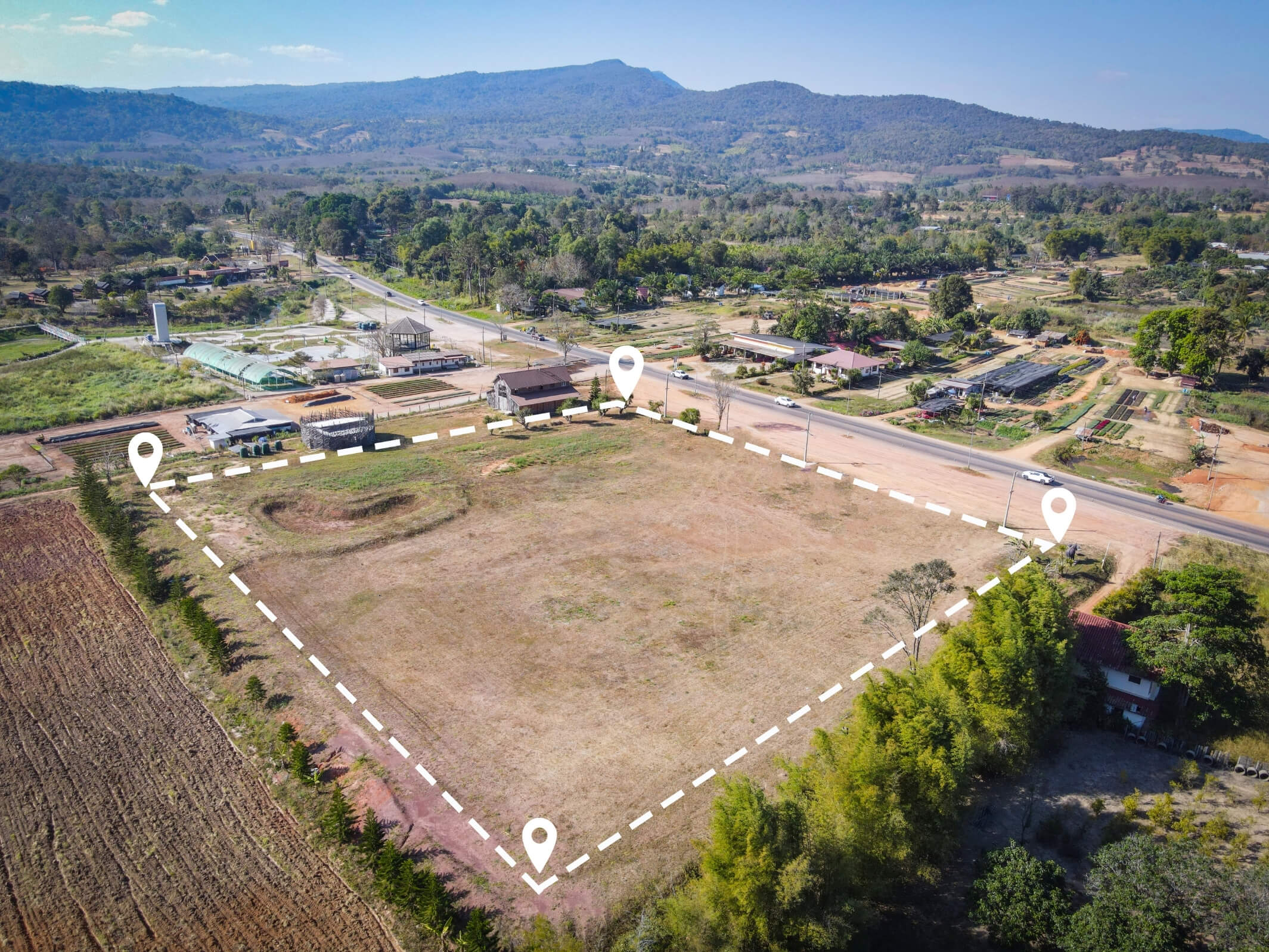
Land development is often viewed as a single event, buy land, build, and sell. In reality, it is a multi-phase process that unfolds over months or years, with each stage carrying its own risks, costs, and decision points.
For investors, understanding this timeline is critical. It affects capital allocation, holding costs, and overall return on investment.
While every project is different, most land development follows a consistent sequence from acquisition to final sale.
Phase 1: Acquisition and Initial Evaluation
The development timeline begins with identifying and acquiring the right property.
Key steps include:
- Market research and location analysis
- Preliminary zoning review
- Access and utility evaluation
- Initial financial modeling
At this stage, the goal is to determine whether the land has realistic development potential.
A structured evaluation process, like the one outlined in APX West’s Investment services, helps ensure that decisions are based on feasibility rather than assumptions.
Phase 2: Due Diligence
Once a property is under contract or acquired, a deeper level of analysis begins.
This typically includes:
- Title review and legal access verification
- Surveying and boundary confirmation
- Environmental assessments
- Soil and geotechnical analysis
This phase is where potential issues are identified and addressed before significant capital is committed.
Skipping or rushing due diligence can lead to costly surprises later in the project.
Phase 3: Planning and Entitlements
Planning and entitlements define what can be built and how the project will move forward.
Key components:
- Site planning and layout design
- Zoning confirmation or rezoning (if needed)
- Coordination with local municipalities
- Permit applications and approvals
This phase can take several months, or longer, depending on project complexity and jurisdiction.
Early-stage planning, supported by APX West’s Planning services, helps align the project with both regulatory requirements and market demand.
Phase 4: Engineering and Design
Once the project is approved conceptually, detailed engineering begins.
This includes:
- Grading and drainage plans
- Utility design (water, sewer, power)
- Road layout and access design
- Construction drawings
Engineering translates the concept into a buildable plan.
This phase also helps refine cost estimates, which are critical for budgeting and financing decisions.
Technical coordination, such as that provided through APX West’s Engineering services, ensures that all systems are integrated properly before construction begins.
Phase 5: Infrastructure Development
With plans in place, physical development begins.
Typical activities include:
- Site clearing and grading
- Road construction
- Utility installation
- Drainage and stormwater systems
This is often one of the most capital-intensive phases of the project.
Execution quality during this stage has a direct impact on timelines, costs, and long-term property value.
Oversight and coordination, supported by APX West’s Construction services, help ensure that infrastructure is delivered efficiently and according to plan.
Phase 6: Vertical Development (If Applicable)
Depending on the strategy, the next phase may include building structures on the property.
Examples:
- Residential homes
- Commercial buildings
- Mixed-use structures
In some cases, developers stop at the lot development stage and sell finished parcels to builders. In others, they move forward with vertical construction to capture additional value.
The decision to build or sell at this stage depends on market conditions, capital availability, and overall investment strategy.
Phase 7: Marketing and Sales
As development progresses, or once it is complete, the focus shifts to monetization.
Key activities include:
- Branding and positioning
- Listing and promotion
- Buyer outreach
- Sales and closing coordination
Effective marketing ensures that the property reaches the right audience and achieves its full value.
A coordinated strategy, such as that provided through APX West’s Marketing & Sales services, helps align pricing, messaging, and timing.
Phase 8: Project Management and Ongoing Oversight
Throughout the entire timeline, project management plays a critical role.
Responsibilities include:
- Coordinating teams and timelines
- Managing budgets and costs
- Addressing issues as they arise
- Ensuring alignment across all phases
Without strong oversight, even well-planned projects can face delays or cost overruns.
Integrated project coordination, such as APX West’s Management services, helps maintain momentum and keep projects on track.
How Long Does the Process Take?
Timelines vary depending on the size and complexity of the project.
General ranges:
- Simple lot development: 6–12 months
- Moderate projects: 12–24 months
- Large or complex developments: 2–5+ years
Factors that influence timing include:
- Permitting and approvals
- Infrastructure requirements
- Market conditions
- Availability of labor and materials
Understanding these variables helps investors plan more accurately.
Where Delays Typically Occur
Even well-managed projects encounter delays.
Common bottlenecks include:
- Zoning and entitlement approvals
- Utility coordination
- Weather and site conditions
- Contractor scheduling
Anticipating these challenges, and building time buffers into the schedule, helps reduce their impact.
Aligning Timeline With Investment Strategy
The development timeline should align with the investor’s overall goals.
For example:
- Shorter timelines may prioritize faster lot sales
- Longer timelines may focus on full buildout and higher returns
Understanding how each phase contributes to value creation allows investors to make better decisions about timing, capital deployment, and exit strategy.
From Raw Land to Realized Value
Land development is a process of transformation.
Each phase, acquisition, planning, engineering, construction, and sales, adds a layer of value to the property.
Investors who understand this progression are better equipped to:
- Anticipate costs and timelines
- Identify risks early
- Make strategic decisions at each stage
Rather than viewing development as a single step, treating it as a structured, multi-phase process provides a clearer path from raw land to a completed, marketable asset.