
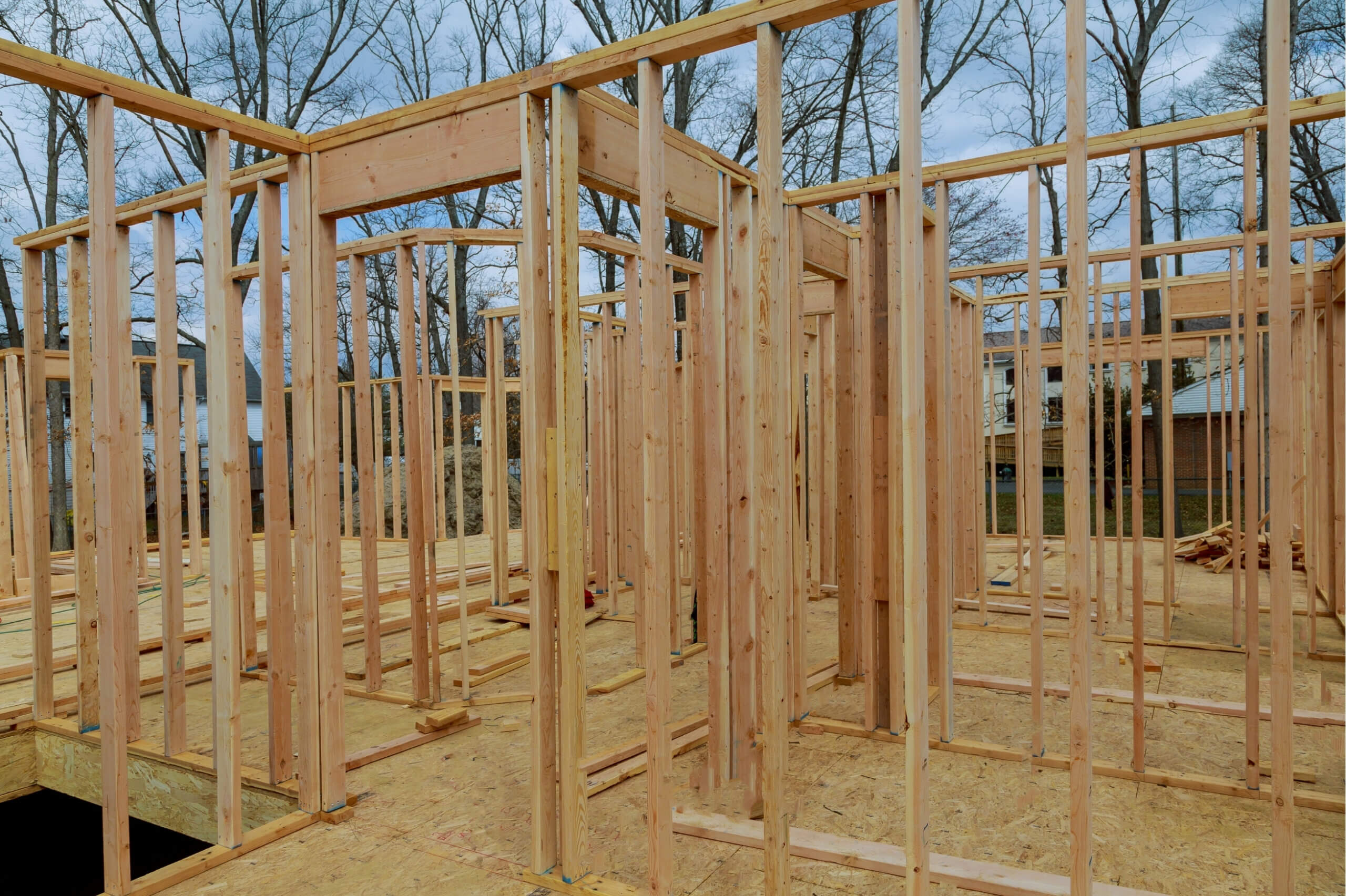
Traditional real estate development has typically followed a single-use model, residential subdivisions, standalone commercial centers, or industrial parks. Increasingly, however, developers are moving toward hybrid projects that combine multiple uses within a single property.
These hybrid developments, blending residential, storage, and commercial elements, are gaining traction as a way to maximize land value, diversify revenue streams, and respond to changing market demand.
For investors, this approach introduces new opportunities, but also requires a more sophisticated understanding of planning, infrastructure, and execution.
What Is a Hybrid Development?
A hybrid development integrates two or more property types into a single, cohesive project.
Common combinations include:
- Residential housing with nearby storage facilities
- Mixed-use spaces with retail and office components
- Flex properties that combine commercial and light industrial use
Rather than separating uses across different locations, hybrid developments create a more efficient and adaptable use of land.
Why Hybrid Projects Are Gaining Momentum
Several market trends are driving the shift toward mixed-use and hybrid development models.
Land Scarcity and Cost Pressure
As desirable land becomes more limited, maximizing the utility of each parcel becomes more important. Hybrid developments allow for higher productivity per acre.
Changing Consumer Behavior
Buyers and tenants increasingly value convenience and proximity.
For example:
- Homeowners want nearby storage for recreational equipment
- Small businesses need flexible space close to residential areas
- Remote workers seek integrated live-work environments
These evolving preferences make hybrid developments more attractive than single-use alternatives.
Diversified Income Streams
From an investment standpoint, hybrid projects offer multiple revenue sources.
Instead of relying on one asset class, investors can generate income from:
- Residential sales or rentals
- Commercial leases
- Storage units or flex space
This diversification can help stabilize returns across different market cycles.
The Role of Planning in Hybrid Development
Successful hybrid projects begin with careful planning.
Zoning, land use regulations, and site layout must all align to support multiple uses within the same development.
This requires a detailed understanding of:
- Local zoning codes
- Density allowances
- Traffic and access considerations
- Infrastructure capacity
Early-stage feasibility analysis, such as that provided through APX West’s Planning services, is critical for determining whether a hybrid concept is viable before significant capital is committed.
Infrastructure Considerations
Hybrid developments place unique demands on infrastructure.
Access and Circulation
Different uses generate different traffic patterns. Residential areas require privacy and safety, while commercial components need visibility and accessibility.
Balancing these needs requires thoughtful site design.
Utilities and Capacity
Combining multiple uses increases demand on:
- Water systems
- Electrical infrastructure
- Waste management
Ensuring that infrastructure can support this demand is essential to avoid costly upgrades later.
Phasing and Flexibility
Hybrid developments often benefit from phased construction, allowing different components to be built and stabilized over time.
This approach helps manage capital while adapting to market demand.
Coordinating these elements typically involves collaboration across engineering and execution teams, such as those offered through APX West’s Engineering and Construction services.
Designing for Market Demand
One of the biggest advantages of hybrid development is flexibility, but that flexibility must be guided by real demand.
Key considerations include:
Target Market
Who is the end user? Full-time residents, second-home buyers, small businesses, or a combination?
Location Context
Is the property near recreational areas, transportation corridors, or population centers?
Product Mix
How much of each use, residential, storage, commercial, should be included?
Getting this balance right is essential. Too much of one component can reduce overall performance, while the right mix can significantly enhance value.
Operational Complexity
While hybrid developments offer advantages, they are also more complex to manage.
Challenges include:
- Coordinating multiple revenue streams
- Managing different tenant or buyer types
- Maintaining shared infrastructure
This complexity makes ongoing oversight critical, particularly as the project scales.Integrated operational support, such as APX West’s Management services, can help ensure that all components function cohesively over time.
Marketing and Positioning
Hybrid developments require a more nuanced marketing strategy.
Unlike single-use projects, they must appeal to multiple audiences simultaneously.
This may include:
- Positioning residential units around lifestyle and convenience
- Marketing commercial space based on location and access
- Highlighting storage or flex space as a value-added feature
A coordinated approach to branding, leasing, and sales, supported by services like Marketing & Sales, is essential for aligning messaging across all components.
Risk vs. Reward
Hybrid developments introduce both opportunities and risks.
Potential Benefits:
- Higher revenue per acre
- Diversified income streams
- Greater adaptability to market changes
Potential Risks:
- Increased complexity in planning and execution
- Higher upfront design and infrastructure costs
- Greater dependence on accurate market analysis
The key is not simply combining uses, but doing so in a way that is intentional and supported by data.
Where Hybrid Development Works Best
Hybrid projects tend to perform well in specific environments:
Growing Markets
Areas experiencing population growth and economic expansion can support multiple uses.
Transitional Zones
Locations between residential and commercial areas are often ideal for mixed-use development.
Recreational Destinations
Markets with tourism or seasonal demand can benefit from combining housing, storage, and commercial services.
A More Strategic Use of Land
Hybrid development reflects a broader shift in how land is viewed, not just as a static asset, but as a platform for multiple, interconnected uses.
When executed correctly, this approach can unlock value that would not be possible through single-use development alone.
However, success depends on alignment across planning, infrastructure, market demand, and execution. Investors who take a disciplined, integrated approach are better positioned to capitalize on the advantages while managing the added complexity.